
South Flank utilises three (3) large overland conveyors, CV411 (16.8km tape length), CV412 (29.5km tape length) and CV413 (3.8km tape length) to move its ore from PC1 & PC2 to the COS and maximise the existing infrastructure at the MAC hub. These overland conveyors are significantly larger than any used in other WAIO sites, and each conveyor is expected to carry approximately 40 MT of primary crushed ore per year. For this reason, planned and unplanned downtime on these conveyors needs to be kept at a minimum, with protocols in place for breakdown situations.
During the design of the South Flank mine site, consideration was made for planned belt preparation and changeouts on the three (3) overland conveyors. Still, these were partially removed from the scope during the project’s construction. In addition, some inherent safety risks with the original designs and a shift in equipment selection required modifications to the construction scope.
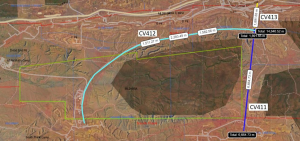
The SOW and objectives of the project are as follows:
- Installing the indexing and clamping frames at 4 locations on conveyors at the South Flank Mine Site
- Installing belt clamping frame on CV413. Works include steel and services relocation.
- Installing the belt puller frame skids on CV411 and CV412 and the turning frame skids on CV411, CV412, and CV413. These works are steelworks only.
- Extension of belt splicing stations at CV411 & CV412. Work includes steel and concrete works.
- Demolition/removal of stairs on CV413 belt flaking station.
- The work also includes extending the Splicing Raft frame. Steel fabrication and installation, concrete and service relocation (electrical and water) at CV411, CV412, and CV413.